Living alone can be peaceful. It can also get very quiet.
How to create real contact when your home does not naturally bring you into other people’s lives.
By OpenUp Editorial ·
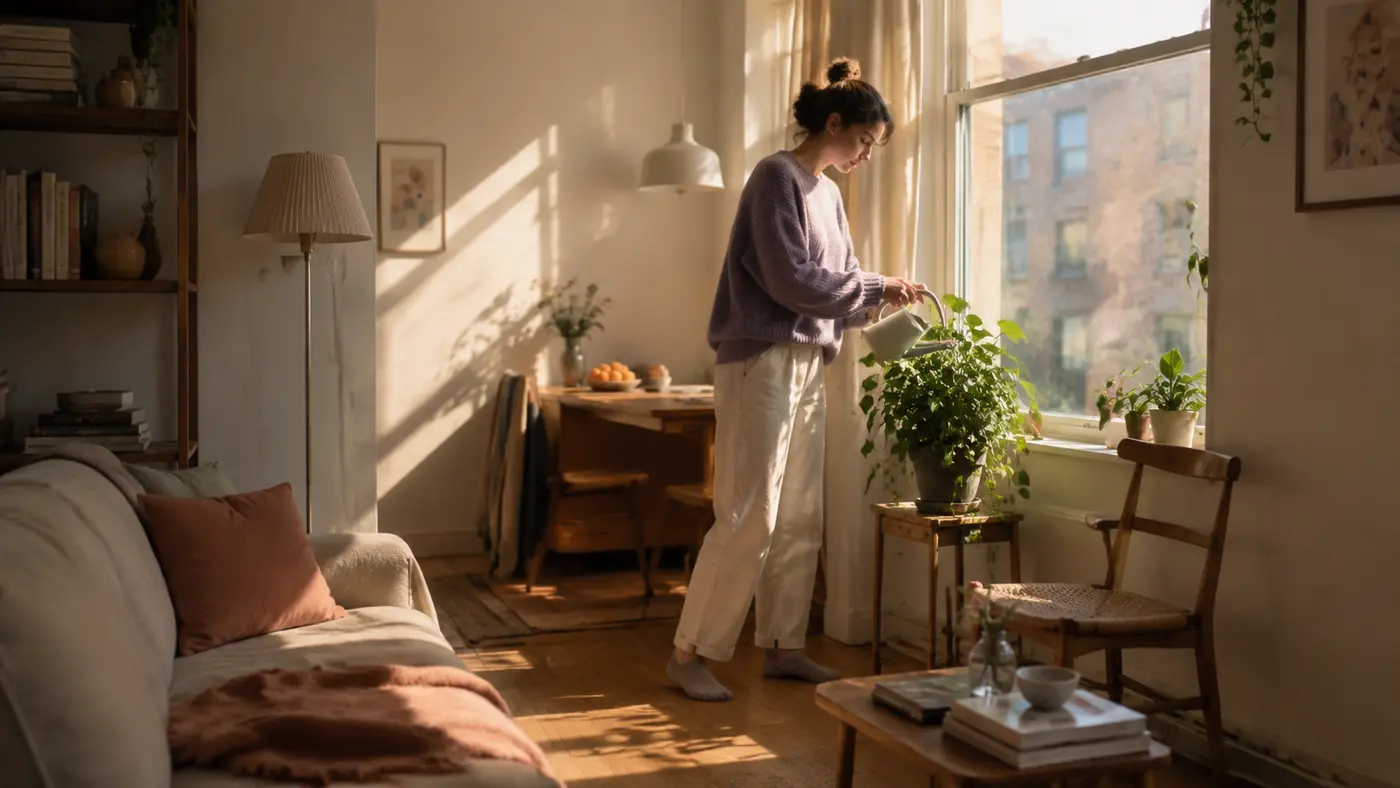
Living alone is not the problem by itself
Some people feel better with a front door they can close. There is freedom in setting your own routine and not managing another person's mood. But a peaceful evening and an isolating week can look similar from outside.
The warning sign is not enjoying time alone. It is when solitude stops feeling chosen, days pass without meaningful conversation, or reaching out begins to feel harder every time you avoid it.
Give the week fixed points
Do not leave all contact to mood. Put two social anchors into the week before it begins. One might be a call with family, a gym class or working from a library. Another should involve an actual exchange rather than simply being near strangers.
A fixed routine removes the exhausting daily question of whether you feel social enough. You go because Wednesday is the day you go.
Become a familiar face somewhere
Repeated contact is underrated. Use the same café, attend the same class, volunteer on the same shift or join a group that meets regularly. The first goal is not instant friendship. It is recognition. A nod becomes a short conversation; a short conversation can eventually become an invitation.
Give it several visits before deciding it did not work. Most adults are cautious, distracted and unsure whether the other person wants to talk. Familiarity lowers that uncertainty.
Make your home easier to share
You do not need to host a perfect dinner. Invite someone for tea, takeaway or a film. A specific low-effort plan is more likely to happen than ‘come over sometime’. If your home does not feel comfortable for visitors, meet nearby and make it regular.
Connection is helped by practical design. Keep a spare mug. Put a chair where conversation is easy. Small things signal that another person can exist in your space.
Use the internet actively
Passive scrolling creates the sensation of company without the risk or reward of participation. Try using online spaces to say something, answer someone, organise a meeting or join a smaller recurring community.
OpenUp can be one of those spaces. Write about the evening you are actually having instead of posting the version that looks good. It will not replace offline life, but honest contact online still counts.
When the quiet becomes heavy
If loneliness is affecting sleep, appetite, work or your ability to function, speak with a GP or qualified professional. You do not need to wait until life becomes an emergency.
For ordinary difficult days, you can also share what living alone really feels like on OpenUp. Visit openupzone.com and add your experience to the conversation.